What's really in your sanitary pad? Doctors say ingredients matter
Doctors are urging women to examine sanitary pad ingredients, materials and fragrances more closely. The advice comes as moringa-infused and breathable products gain traction, even as experts stress basic menstrual hygiene.
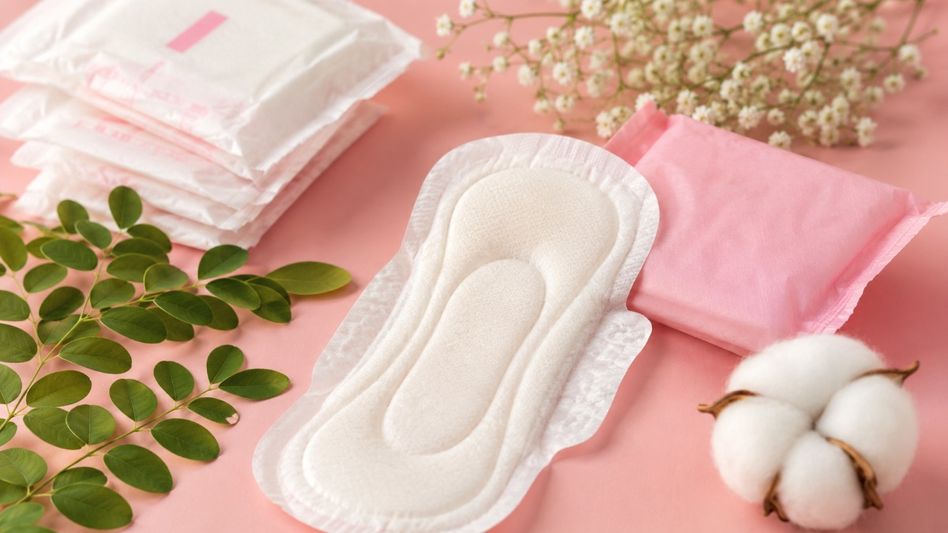

- Jul 31, 2026,
- Updated Jul 31, 2026, 11:41 AM IST

- Doctors urge women to check pad materials touching intimate skin for hours
- Breathable, dermatologically tested and fragrance-free pads are shaping consumer preferences
- Moringa-based pads are emerging, backed by interest in plant compounds
Women's menstrual care is evolving beyond absorbency and leak protection, with doctors advising consumers to pay closer attention to the materials and ingredients used in sanitary products that remain in contact with intimate skin for extended periods.
Health experts say increasing awareness about dermatologically tested products, breathable materials and fragrance-free formulations is influencing consumer choices. At the same time, sanitary pads incorporating botanical ingredients, including moringa, are emerging as a new trend in the market.
Dr Alpna Kansal, president of the Indian Medical Association (IMA), Ghaziabad, said women spend nearly a quarter of their reproductive years menstruating, making it essential to choose products that are both effective and gentle on the skin.
She said pads made with breathable materials and skin-friendly ingredients such as moringa could improve comfort during prolonged use. However, she emphasised that no product could replace proper menstrual hygiene, including changing sanitary pads regularly.
One of the latest developments in the sector is the use of Moringa oleifera, commonly known as drumstick or sahajan, in sanitary pads. Long recognised in Ayurveda, moringa contains vitamins, antioxidants and plant compounds that have attracted growing scientific interest.
A 2024 review published in Frontiers in Pharmacology highlighted that moringa contains carotenoids, tocopherols, flavonoids, phenolic acids and vitamins, with evidence suggesting antioxidant, anti-inflammatory and antimicrobial properties.
Manufacturers have started incorporating moringa extract into the top layer of sanitary pads, aiming to combine botanical skincare benefits with absorbent technology.
Doctors, however, cautioned that such innovations should not distract from basic menstrual hygiene practices.
"Products with botanical ingredients may offer additional skin comfort, but women should remember that timely changing of sanitary pads, maintaining personal hygiene and seeking medical advice for persistent irritation or unusual symptoms remain the cornerstones of menstrual health," Kansal said.
Experts also pointed to a growing preference for breathable sanitary pads designed to allow water vapour to escape while maintaining protection against leaks.
Dr Richa Singhal, senior consultant in obstetrics and gynaecology at Cloudnine Hospital, Delhi, said women should look beyond absorbency and size when choosing menstrual products.
"Consumers today are becoming increasingly aware of what goes into personal care products. Choosing dermatologically tested sanitary pads made with quality materials such as moringa, breathable construction and without unnecessary fragrances can help minimise the risk of discomfort, particularly for women with sensitive skin," she said.
Singhal also advised women to avoid harsh soaps for intimate hygiene and, where necessary, use products formulated to maintain the natural pH balance of the external intimate area.