The Health Catastrophe in IDP Camps: An Urgent Plea for Medical Lifelines in Manipur
The ethnic conflict in Manipur, which erupted in May 2023 between the Meitei and Kuki communities, has left a devastating legacy of displacement and suffering. Over 60,000 people, some estimates place the figure closer to 70,000, remain uprooted, confined to approximately 281 relief camps scattered across districts like Bishnupur, Churachandpur, Kangpokpi, and others.

- Mar 09, 2026,
- Updated Mar 09, 2026, 6:13 PM IST

The ethnic conflict in Manipur, which erupted in May 2023 between the Meitei and Kuki communities, has left a devastating legacy of displacement and suffering. Over 60,000 people, some estimates place the figure closer to 70,000, remain uprooted, confined to approximately 281 relief camps scattered across districts like Bishnupur, Churachandpur, Kangpokpi, and others.
Nearly three years later, these temporary shelters, intended as places of safety, have deteriorated into overcrowded, unsanitary environments that foster disease, despair, and preventable deaths.
The camps are marked by severe overcrowding, contaminated water sources, and grossly inadequate sanitation. Reports indicate that only about 19% of camps provide gender-segregated toilets, while a staggering 84% lack proper menstrual hygiene facilities.
These conditions create ideal breeding grounds for infections. Functional health outposts are available in just 29% of the camps, leaving the vast majority without on-site medical support. Ambulances are absent in 81% of sites, forcing critically ill individuals to endure long, often impossible journeys to distant hospitals amid security risks and blockades.
Respiratory infections, skin diseases, fevers, gastrointestinal illnesses, and outbreaks of measles, dysentery, and other communicable diseases have become rampant. Children cough incessantly through the night, the elderly grapple with untreated chronic conditions, and mothers watch helplessly as family members weaken day by day.
Minor ailments escalate rapidly into life-threatening emergencies due to the lack of timely intervention. Malnutrition compounds these issues, particularly among children, who show signs of stunted growth and exhaustion from inadequate nutrition and absent routine check-ups.
The most vulnerable groups, women, children, pregnant mothers, and the elderly suffer disproportionately. Pregnant women navigate dangerous pregnancies without antenatal care, increasing risks of complications during childbirth.
Similarly, elderly residents with pre-existing conditions like hypertension, diabetes, asthma, kidney issues, tuberculosis, cancer, or the need for dialysis face constant threats, as regular medications are scarce or inaccessible.
Chronic diseases rage unchecked, turning manageable illnesses into fatal ones.Healthcare access, a fundamental human right, has become a distant privilege for these displaced populations. Many must undertake perilous travels to reach facilities, an option unavailable to those with limited mobility or resources.
Blockades and ethnic divisions further restrict movement, with some unable to access hospitals in opposing community areas. Hospitals themselves have been overwhelmed, looted, or understaffed due to the conflict, exacerbating the crisis.The human toll is stark.
While the direct violence from the conflict has claimed over 260 lives, additional deaths in the camps stem from health-related causes and lack of timely treatment. Reports from civil society organizations and volunteers indicate dozens of preventable fatalities.
For instance, in Churachandpur and Kangpokpi districts alone, early accounts noted over 45 deaths due to lack of medical care within the first few months. In specific areas like Moreh, at least 33 IDPs have died since 2023, attributed to inadequate financial support, poor living conditions, and inability to afford or access treatment.
Broader estimates suggest over 50 deaths from diseases and illnesses in the initial phases, with at least 35 linked directly to shortages of medicines, poor camp hygiene, and delayed care. Individual tragedies, such as cardiac failures, untreated chronic conditions, and complications from infections, continue to claim lives, including recent cases in 2026 where individuals succumbed in camps due to breathing difficulties or unmanaged heart issues.
These deaths are often silent and underreported, with no comprehensive official data released by authorities, but they expose a secondary, preventable catastrophe unfolding in the shadows of the conflict.
The Justice Gita Mittal Committee, appointed by the Supreme Court and comprising former justices including Gita Mittal, Shalini Phansalkar Joshi, and Asha Menon, has been tasked with examining deficiencies in relief camps and recommending measures for rehabilitation, including medical and trauma care.
The committee's mandate includes investigating issues like violence against women and children, ensuring trauma-informed care, adequate rations, infant needs, and holistic support for displaced persons. It has been directed multiple times by the Supreme Court to probe camp conditions, submit reports on deficiencies, and monitor rehabilitation efforts, with extensions granted to its tenure through mid-2026.
While full public details of the committee's specific healthcare recommendations remain limited or not fully disclosed in all reports, its work has highlighted the need for urgent improvements. Key emphases align with broader calls for reintegrating health services across ethnic divides, establishing trauma-informed protocols, embedding mental health support in camps, and addressing gaps in shelter, nutrition, sanitation, education, and psychological aid.
The committee has cautioned against fragmented schemes that exclude vulnerable groups and has overseen aspects like medical arrangements, equitable relief, and protections during crises. Recommendations implicitly support regular medical interventions, consistent supplies, vaccination drives, and improved access to specialists, as deficiencies in these areas have been flagged in court proceedings and related assessments.
Independent reports, such as those from the People's Tribunal and camp surveys, echo these by urging publication of the committee's findings, reintegration of health workers, and trauma care to prevent further deterioration.The crisis demands immediate, sustained action.
Regular mobile health clinics must be deployed to reach remote camps, delivering primary care, diagnostics, and emergency services. Consistent supplies of essential medicines, particularly for chronic conditions like diabetes, hypertension, tuberculosis, and cancer, along with dialysis support where needed, are critical.
Sanitation upgrades, including more toilets, gender-segregated facilities, and menstrual hygiene provisions, combined with safe drinking water and hygiene education, would curb infectious outbreaks. Vaccination programs for preventable diseases, nutritional supplements for children and pregnant women, and dedicated mental health support to address widespread PTSD, anxiety, and trauma (with studies showing over 65% of some camp residents exhibiting PTSD symptoms) are non-negotiable.
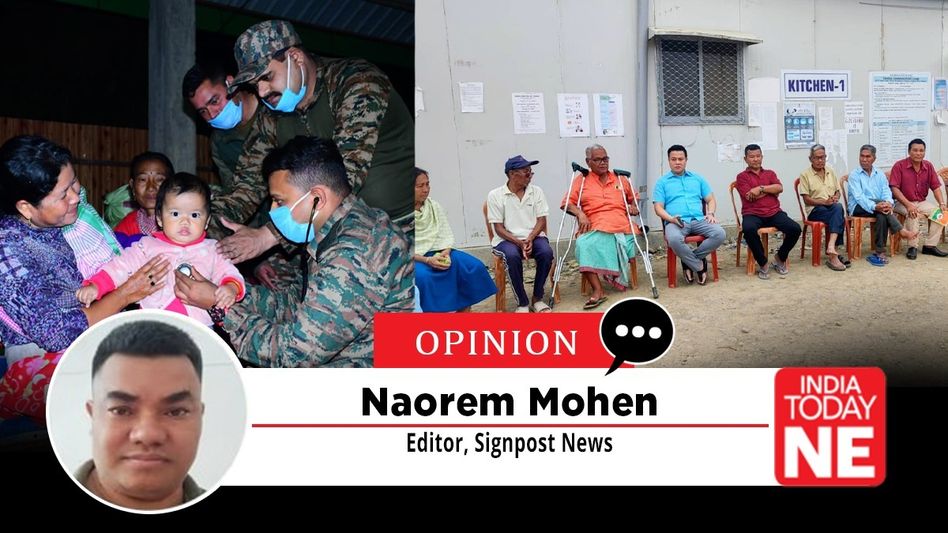
As a final but vital measure, organizing dedicated medical camps in the relief camps stands out as a practical, life-saving intervention. These mobile or temporary medical camps, staffed by doctors, nurses, specialists, and volunteers from government, NGOs, and humanitarian organizations, can provide on-site consultations, screenings, treatments, and referrals.
Weekly or bi-weekly medical camps have been suggested in various pleas and PILs forwarded to the Gita Mittal Committee, including provisions for nutritious food distribution during visits, specialist outreach for chronic cases, and emergency response teams.
Such health camps would bridge the gap for those unable to travel, reduce untimely deaths from treatable conditions, and restore a measure of dignity by bringing healthcare directly to the displaced. Civil society and philanthropic groups have already contributed in limited ways; scaling these efforts with state and central support could transform outcomes.
Behind every statistic is a human story: families who once lived with dignity, now reduced to survival mode, clinging to hope amid illness and uncertainty. The internally displaced in Bishnupur, Churachandpur, and beyond are not merely seeking shelter, they demand the basic right to health, safety, and a life free from preventable suffering.
Addressing this silent health catastrophe is not a policy footnote; it is a profound test of humanity. Authorities, healthcare institutions, humanitarian organizations, and society at large must act decisively to provide these medical lifelines before more lives are lost to neglect. Only through compassionate, equitable intervention can the displaced reclaim their health and hope for a dignified future.