Bamboo, Orchids and new identity: Guwahati Airport’s terminal as gateway to Assam’s future
The upcoming inauguration of the new Bamboo Orchids Terminal at Lokpriya Gopinath Bordoloi International Airport (LGBIA) on December 20, to be inaugurated by Prime Minister Narendra Modi, marks a defining moment not only for Assam but for the entire Northeast.
- Dec 19, 2025,
- Updated Dec 19, 2025, 1:09 PM IST
The upcoming inauguration of the new Bamboo Orchids Terminal at Lokpriya Gopinath Bordoloi International Airport (LGBIA) on December 20, to be inaugurated by Prime Minister Narendra Modi, marks a defining moment not only for Assam but for the entire Northeast. More than the launch of a modern aviation facility, it is a powerful statement of intent, about identity, sustainability, and the region’s place in India’s evolving development narrative.
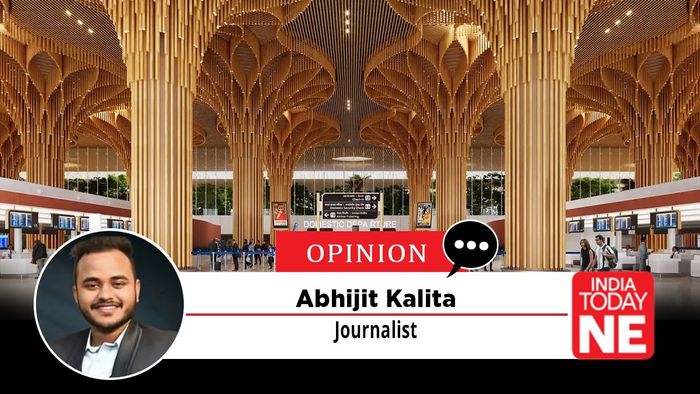
Developed under the stewardship of Guwahati International Airport Limited (GIAL), the new terminal reflects a shift in how infrastructure is imagined. Airports today are no longer merely transit hubs; they are cultural ambassadors. For millions of travellers arriving in Assam for the first time, the Guwahati airport is the first point of contact with the region. The Bamboo Orchids Terminal consciously embraces this role, positioning itself as a gateway that tells a story of land, people, and heritage.
The design philosophy rooted in bamboo and orchid motifs is neither ornamental nor incidental. Bamboo is deeply woven into the social, economic, and ecological fabric of Assam and the wider Northeast—used in homes, crafts, agriculture, and livelihoods for generations. Orchids, for which the region enjoys global recognition, symbolise biodiversity, grace, and resilience. Their presence in the terminal’s architectural language transforms the space into a living showcase of Assam’s natural wealth and cultural depth.
Equally significant is the terminal’s alignment with sustainable development principles. In an era where climate-conscious infrastructure is no longer optional, the use of renewable, low-carbon materials like bamboo underscores a responsible approach to development, particularly vital in an ecologically sensitive region like the Northeast. The terminal demonstrates that modernity and sustainability can coexist, grounded in local knowledge and materials.
Guwahati’s role as the gateway to the Northeast is steadily expanding, not just geographically, but economically and strategically. The new terminal is expected to significantly enhance passenger handling capacity, ease congestion, and improve operational efficiency. These improvements are critical to strengthening air connectivity, boosting tourism, facilitating trade, and attracting investment into Assam and neighbouring states.
For tourists, investors, and business travellers alike, infrastructure often shapes first impressions. The Bamboo Orchids Terminal sends out a confident message: Assam is prepared for growth, open to the world, and proud of its identity. It reinforces the state’s potential as a hub for eco-tourism, cultural tourism, medical travel, education, and commerce sectors that are increasingly central to the region’s economy.
Beyond its physical structure, the terminal carries symbolic weight. It reflects the aspirations of a region that has long sought equitable representation in national development frameworks. The presence of the Prime Minister at its inauguration on December 20 further underscores the strategic importance of the Northeast in India’s growth story.
Importantly, the emphasis on indigenous themes and materials also opens avenues for inclusive growth. Local artisans, designers, craftsmen, and suppliers stand to benefit, ensuring that development does not remain confined to corporate corridors but reaches communities and traditional skill ecosystems.
As India modernises its aviation landscape at a rapid pace, Guwahati’s Bamboo Orchids Terminal stands apart by choosing identity over anonymity. In a world where many airports look alike, this terminal dare to be distinctive, rooted in place, yet globally relevant.
If managed with efficiency, inclusivity, and long-term vision, the Bamboo Orchids Terminal has the potential to become a national model, demonstrating how infrastructure can honour culture while meeting international standards.
By welcoming the world through bamboo and orchids, Assam is not merely opening a new terminal. It is opening a new chapter one where the Northeast engages with the nation and the world on its own terms, with confidence, character, and clarity of purpose.