Why India's Primary Health Centres Deserve Greater National Attention
The country continues to address communicable diseases while simultaneously confronting a growing burden of non-communicable diseases such as diabetes, hypertension and cardiovascular disorders. Managing these conditions requires continuous monitoring, lifestyle counselling and long-term follow-up rather than episodic hospitalisation. A well-functioning PHC is therefore indispensable to reducing avoidable complications and easing pressure on district and tertiary hospitals.
- Jul 03, 2026,
- Updated Jul 03, 2026, 5:15 PM IST
India's healthcare debate has long been dominated by discussions on tertiary hospitals, cutting-edge technology and specialised medical care. Every new AIIMS, robotic surgery facility or advanced diagnostic centre is rightly welcomed as evidence of progress. Yet this emphasis often obscures a more fundamental reality: the effectiveness of the country's healthcare system ultimately depends on the strength of its primary healthcare network. If the first point of care remains weak, the burden inevitably shifts to higher-level institutions, making the entire system less efficient and less equitable.
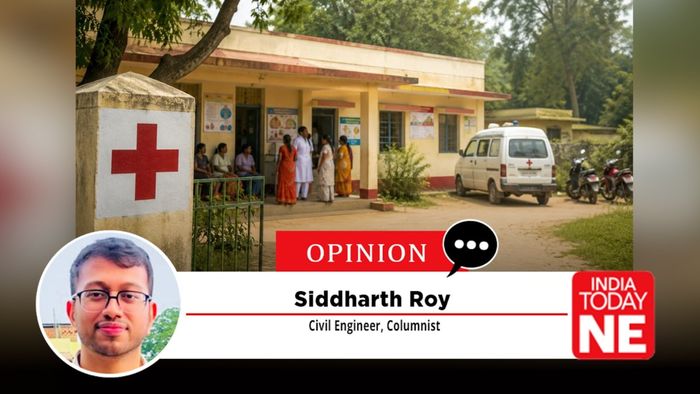
Primary Health Centres (PHCs) occupy a unique position in India's public health architecture. Conceived as the first point of contact between citizens and the formal healthcare system, they provide preventive, promotive and basic curative services to millions of people, particularly in rural and underserved areas. For many households, a PHC is not merely a government facility but the only accessible source of medical care. It is where pregnant women receive antenatal care, children are immunised, elderly patients manage chronic illnesses and families seek treatment before ailments become life-threatening.
The importance of PHCs extends well beyond treating common illnesses. Modern healthcare is increasingly built on prevention rather than cure. Early diagnosis of diseases, routine screening, nutritional counselling, maternal and child healthcare, vaccination, sanitation awareness and disease surveillance collectively reduce both mortality and healthcare expenditure. These functions rarely receive public attention because their success is measured by crises that never occur. Yet they represent one of the most cost-effective investments any health system can make.
India's demographic and epidemiological transition further reinforces the importance of primary healthcare. The country continues to address communicable diseases while simultaneously confronting a growing burden of non-communicable diseases such as diabetes, hypertension and cardiovascular disorders. Managing these conditions requires continuous monitoring, lifestyle counselling and long-term follow-up rather than episodic hospitalisation. A well-functioning PHC is therefore indispensable to reducing avoidable complications and easing pressure on district and tertiary hospitals.
The experience of the COVID-19 pandemic underscored this reality with unusual clarity. While tertiary hospitals understandably became the visible face of the response, the less visible work was undertaken much earlier and much closer to communities. Disease surveillance, vaccination campaigns, risk communication, continuity of essential health services and public awareness initiatives depended substantially on the primary healthcare network. The pandemic served as a reminder that resilience in healthcare begins not in intensive care units but in communities where diseases are first detected and contained.
Despite their centrality, PHCs continue to face structural challenges that have persisted for decades. Shortages of medical personnel, uneven infrastructure, limited diagnostic facilities, interruptions in medicine supplies and inadequate digital connectivity continue to constrain service delivery in many parts of the country. These deficiencies disproportionately affect rural populations, for whom alternatives are often distant, expensive or entirely unavailable. The result is delayed treatment, higher out-of-pocket expenditure and unnecessary referrals to already overstretched higher-level hospitals.
Infrastructure, however, tells only part of the story. Institutions derive their strength from the people who work within them. Across India, thousands of doctors, nurses and frontline health workers continue to deliver essential healthcare under demanding circumstances, often with limited resources but considerable commitment. Their contribution rarely attracts public recognition, although it directly influences health outcomes for millions of citizens.
One such dedicated medical professional is Dr. Shatabdee Roy, Medical Officer at G.B.M.P.H.C (Primary Health Centre) in Kukurmara, Chaygaon, Assam. Serving people from numerous surrounding villages, she attends to patients who depend almost entirely on the PHC for their healthcare needs. For economically disadvantaged families, the centre provides timely, affordable and reliable medical care that might otherwise remain beyond their reach.
Reflecting on the importance of primary healthcare, Dr. Roy aptly observes, "Primary Health Centres are the first point of contact between a community and the medical system, providing accessible, affordable and comprehensive preventive, promotive and curative care to local people." Her observation captures the central principle of public health. A resilient healthcare system cannot rely exclusively on advanced hospitals concentrated in urban centres. It must be anchored in a network of accessible primary healthcare institutions capable of serving every community.
The responsibilities of doctors working in PHCs extend well beyond clinical consultation. They supervise maternal and child healthcare, facilitate institutional deliveries through referral systems, oversee immunisation programmes, monitor communicable diseases, promote sanitation and nutrition, respond to local outbreaks and encourage preventive healthcare practices. In many villages, they serve not only as physicians but also as educators, counsellors and trusted public health professionals. Their work illustrates that healthcare delivery is as much about community engagement as it is about clinical intervention.
Strengthening PHCs should therefore be viewed as a strategic investment rather than an administrative obligation. The expansion of digital health platforms, telemedicine services and integrated health information systems presents new opportunities to improve healthcare delivery at the grassroots. However, technology cannot substitute for adequate staffing, reliable infrastructure or sustained public investment. Policy reforms must prioritise modern diagnostic facilities, uninterrupted medicine supplies, continuous professional development and incentives that encourage doctors to serve in rural and remote regions.
Equally important is the need to rebuild confidence in public healthcare institutions. Trust encourages people to seek medical care early, comply with treatment and participate in preventive health programmes. When communities view their local PHCs as dependable institutions, the benefits extend beyond individual patients to the healthcare system as a whole.
India's aspiration to provide universal and equitable healthcare will not be realised through tertiary care expansion alone. It requires sustained attention to the institutions that prevent illness, promote healthier communities and reduce avoidable hospitalisation. Primary Health Centres have performed this role quietly for decades, often with limited recognition. Giving them the policy priority they deserve is not merely a question of improving healthcare delivery; it is essential to building a stronger, more resilient and more inclusive public health system.